
Breast Cancer Supported Self Management Education
Understanding Supported Self-Managed Care
Self Supported Management (SSM) allows patients to attend follow up appointments as and when they need them, rather than on a routine basis.
- Patients on the SSM pathway:
- Will remain under the care of the University Hospitals of Morecambe Bay Hospitals NHS Trust Breast Surgery team.
- Will not have routine face to face or telephone follow-up appointments. However will be able to access the Breast Care Team for support or access into a clinic should they require it.
- Will have annual mammograms for five years.
- Will receive hormone therapy (if appropriate) and bone health monitoring (DEXA scans if appropriate).
- All patients on the SSM pathway will be offered a holistic needs assessment.
Signs and symptoms to look out for
- Redness/ skin changes - this can look like an ‘orange peel’ effect to the skin.
- Liquid discharge from remaining nipple - clear, bloody, brown or green.
- Swelling.
- Lump or thickening in scar or remaining breast that feels different.
- Change in shape or size of remaining breast.
- Changes in the scar - it could become red, white, lumpy, thickened or itchy.
- Change in nipple to the remaining breast - could be inverted, crusty, produce discharge, or change in colour.
Symptoms to report
Altered vision or speech - this is a medical emergency. Please call 999 immediately.
- Pain in bones that doesn’t improve with pain relief or persists for more than two weeks.
- Unexplained weight loss.
- Constant feeling of nausea and weight loss.
- Dry cough or feeling breathless (dry cough means not producing any sputum).
- Severe or ongoing headaches - this can happen the first weeks after commencing endocrine therapy but should settle down.
- Discomfort or swelling under ribs or upper abdomen - this can happen in the first few weeks after radiotherapy and can feel like bruising. You can use ibuprofen gel on the affected area. If there is no improvement after three to four weeks, please contact the Breast Care team.
- Cancer can recur in the skin after mastectomy, so it is important to check the scars for any change.
What to do if you have signs and symptoms
If you have a symptom that you are concerned about, please do not go back through your GP. You can contact the Breast Care nurses on:
telephone: 01524 584170 (option 3)
or contact the Breast Cancer Support Worker on:
telephone: 01524 517811 or telephone: 07977815431
We will assess your concerns over the phone and either offer advice, or arrange for you to be seen in the breast clinic.
Endocrine therapy
Endocrine therapy is used for oestrogen receptor-positive breast cancers.
Endocrine therapy works by reducing the amount of oestrogen in the body, and therefore lowering the risk of breast cancer.
Tamoxifen, Letrozole, Exemestane, and Anastrozole can be used.
Side effects of endocrine therapy
The main symptoms experienced with endocrine therapy are:
- Hot flushes
- Night sweats
- Weight gain
- Reduced libido
- Mood changes
- Fatigue
- Aching joints
- Brain fog
- Dry eyes
- Vaginal dryness
All of these symptoms are normal and to be expected, and symptoms should start to settle down within the first three months of starting treatment.
If the symptoms are intolerable, please contact the Breast Care team for support.
Some things that may help include exercise, reducing alcohol intake, reducing caffeine, stop smoking, cool pillows, fans, loose cotton clothing at night time, antidepressants, alternating the time of day you take your medication, and alternative therapies such as aromatherapy or hypnotherapy.
Fatigue
Fatigue is a feeling of tiredness or exhaustion. It can be caused by the cancer itself, or the side effects of treatment. As many as nine out of ten people with cancer get cancer-related fatigue.
Cancer-related fatigue usually gets better when treatment finishes, but it may continue for months or even years.
After a breast cancer diagnosis you are registered as disabled for the rest of your life, so if you have returned to work and are finding it difficult due to fatigue, your employer has a legal obligation to support you.
Causes of fatigue can include:
- The cancer itself - the cancer may cause swelling resulting in limbs becoming heavier and harder to move.
- Anaemia - can be caused by the cancer itself or treatment.
- Cancer treatments - hormone therapy, chemotherapy and radiotherapy are all known to cause fatigue.
- Eating problems - treatment can reduce appetite meaning our bodies don’t get enough energy.
- Pain.
- Psychological effects of cancer - conditions such as anxiety and depression can make fatigue worse. You might find it useful to chat to a healthcare professional for some support.
Some common effects of fatigue include:
- Difficulty doing simple things, such as brushing teeth and getting dressed.
- Feeling you have no energy or strength.
- Difficulty concentrating or remembering things.
- Difficulty thinking, speaking or making decisions.
- Feeling breathless after light activity.
- Feeling dizzy or light headed.
- Difficulty sleeping (insomnia).
- Losing interest in sex.
- Feeling low in mood and more emotional than usual.
These may have an impact on your work, relationships and social life, but there are things that can help:
- Keep active - this can boost appetite, giving you increased energy and better sleep.
- Eat well and keep to a healthy weight - eating well can regain your strength and give more energy.
- Keep to a normal sleep routine - good-quality sleep may help with fatigue, as well as reduce your need to sleep during the day.
- Try complementary therapies - relaxation, massage, yoga and reflexology are known to help with fatigue.
Link for Macmillan Fatigue booklet: www.macmillan.org.uk/cancer-information-and-support/stories-and-media/booklets/coping-with-fatigue-tiredness
Healthy Eating
It is very important to have a balanced diet.
The Eatwell Guide shows that to have a healthy, balanced diet, people should try to:
- Eat at least five portions of a variety of fruit and vegetables every day.
- Base meals on higher fibre starchy foods like potatoes, bread, rice or pas
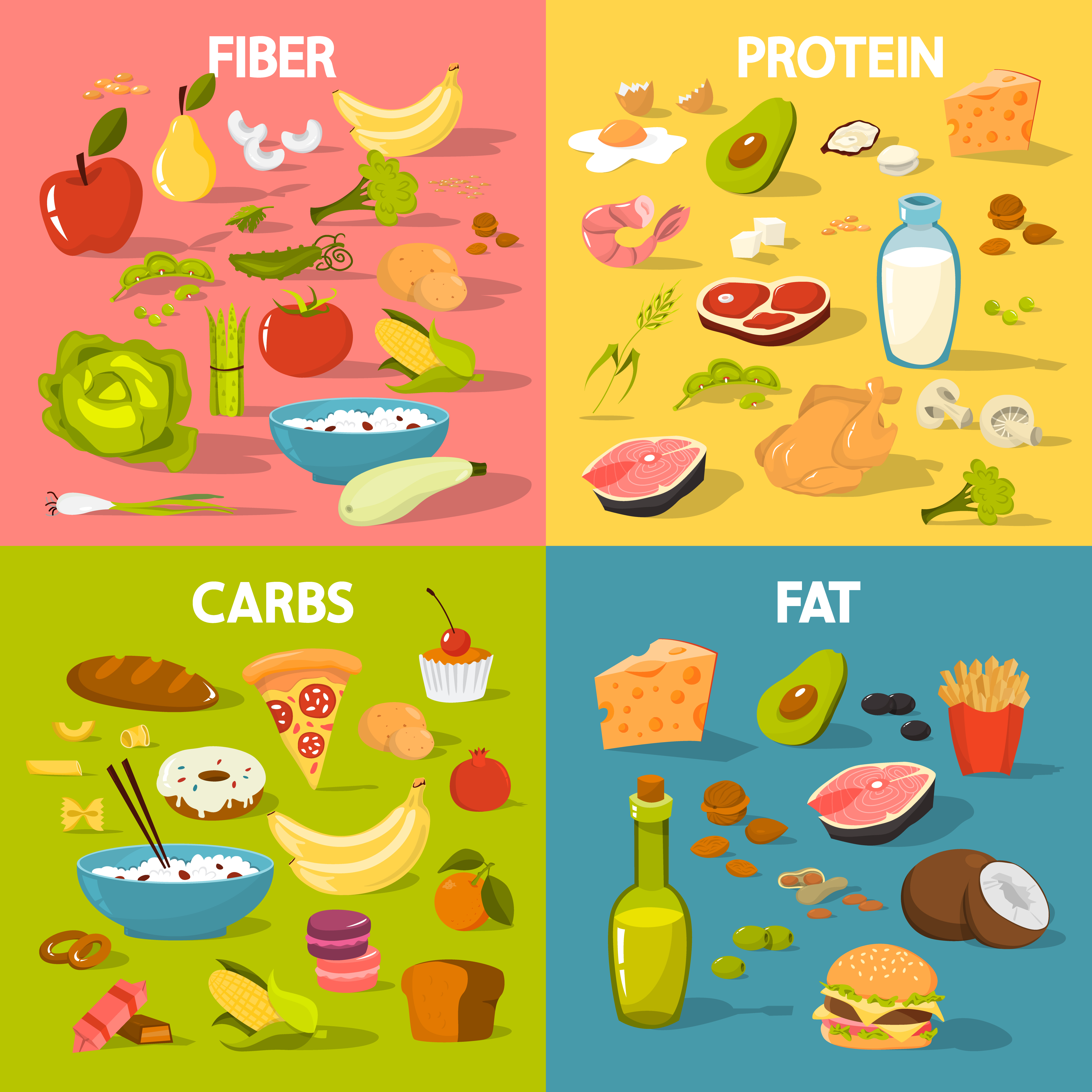 ta.
ta. - Have some dairy or dairy alternatives (such as soya drinks).
- Eat some beans, pulses, fish, eggs, meat and other protein.
- Choose unsaturated oils and spreads, and eat them in small amounts.
- Drink plenty of fluids (at least six to eight glasses a day).
Eating a healthy, balanced diet is an important part of maintaining good health, and can help you feel your best.
Alcohol
Recommended guidance is 14 units/week.
- Alcohol is high in sugar and this means alcohol contains lots of calories – seven calories per gram in fact, almost as many as pure fat!
- Avoid binge drinking.
- Take a break from alcohol for 48 hours if you have had a heavy drinking session to let your body recover.
Remember - alcohol is full of empty calories!
Exercise
We know that exercise is helpful in recovery after breast cancer. It has also been shown to reduce the risk of breast cancer recurrence.
The evidence now suggests that a sedentary lifestyle is equally as bad for our health as smoking!
Any exercise that you can do will be beneficial.
Please see your GP if you are planning on undertaking an intensive exercise regime for advice regarding what level of exercise you can do.
Examples of gentle exercise include: walking, swimming, pilates, tai chi.
- Physical activity can be an important part of your recovery.
- Even just spending less time sitting down and taking short walks can help.
- Being active has many benefits.
Exercise can:
- Reduce tiredness and some treatment side effects.
- Reduce anxiety and depression.
- Improve your mood and quality of life.
- Strengthen your muscles, joints and bones.
Prosthesis fitting
Prostheses typically last around two years. If you require a replacement breast prosthesis, swimwear prosthesis, or would like to be measured for a bra, please contact the Breast Care nurses on telephone: 01524 584170 and we will book you into one of our clinics with either the Trulife, or Amoena team.
Lymphoedema
Lymphoedema is a swelling of protein rich fluid in the tissues. Surgery and/or radiotherapy can damage the lymphatic system.
Swelling in the arm is common, but the breast, chest and back areas can also develop lymphoedema.
Symptoms of lymphoedema
- Skin - changes in texture, swelling, or feels tight
- Local aching or discomfort.
- Reduced movement or flexibility in joints.
- Clothing /jewellery feels tighter leaving dents in the skin.
- Altered sensations, changes in colour, numbness, feeling heat/cold to area.
- Intermittent swelling.
What can you do to reduce the risk of lymphoedema?
- Skin care to the ‘at-risk’ limb/breast.
- Avoid trauma/injury/ blood tests to the ‘at-risk’ limb/breast.
- Exercise – keep active and keep the limb moving.
- Keeping weight within normal limits.
- Seek help as soon as possible if you suspect symptoms.
If you need to seek help from someone, please contact the Breast Care nurses: telephone: 01524 584170 OPTION 3
or the Breast Cancer Support Worker on:
telephone: 01524 517811 or telephone: 07977815431
Macmillan - telephone 08088080000 or visit www.macmillan.org.uk
Holistic Needs Assessment
A Holistic Needs Assessment (HNA) is a simple questionnaire which can be carried out at any point.
A HNA helps the Breast Team to:
- identify a patient’s concerns which may be physical, emotional, practical, financial, or spiritual.
- starts a conversation about needs.
- develop a Personalised Care and Support Plan.
- share the right information, at the right time.
- signpost to relevant services.
Holistic Needs Assessment is carried about by the Cancer Support Worker over the phone or in person if you prefer.
You can have one at any point from diagnosis, through treatment, and into follow up.
You can read more about holistic needs assessment on the Macmillan website here: www.macmillan.org.uk/healthcare-professionals/innovation-in-cancer-care/holistic-needs-assessment
If you would like a HNA please call the Breast Cancer Support Worker on:
telephone: 01524 517811 or telephone: 07977815431
Dragon Boat Racing: Paddlers for Life
This group is called Paddlers for Life and they meet every Sunday during the summer months (May to October) at Ambleside.
All the participants have been affected by cancer in some way, either themselves, or friends and family.
The cost to join is £30 per year.
Paddlers For Life can be found on Facebook at Paddlers for Life Windermere and can be contacted by:
Email paddlersforlife@gmail.com telephone 07887 712011
Their website Paddlers for Life Windermere | Paddlers for Life Windermere breast cancer survivor dragon boat team at: http://paddlersforlife.co.uk/
Dragon boats are paddled on Windermere at Low Wood Bay near Ambleside in Cumbria, UK.
Dragon boat paddling can relieve sickness and protect and preserve good health. It is an excellent form of exercise and may help to reduce the risk of breast cancer related lymphoedema as well as having a psychological benefit (as with most exercise).
The friendship, shared experience and team spirit of paddling can be extremely supportive.
Contact Details:
Breast Care Nurse
Telephone: 01524 584170 (Option 3) Breast Cancer Support Worker telephone: 01524 517811 or 07977815431
Cancer Care
Telephone: 01524 381820 or visit https://cancercare.org.uk
Macmillan
Telephone: 08088080000 or visit
https://www.macmillan.org.uk/cancer-information-and- support
Breast Cancer Now
Telephone: 03332060300 or visit
https://breastcancernow.org
Samaritans
Telephone: 116 123 or e-mail jo@samaritans.org
Date of publication: 01/08/2024
Reference code: PIL234/IND011
Review date: 01/08/2027