
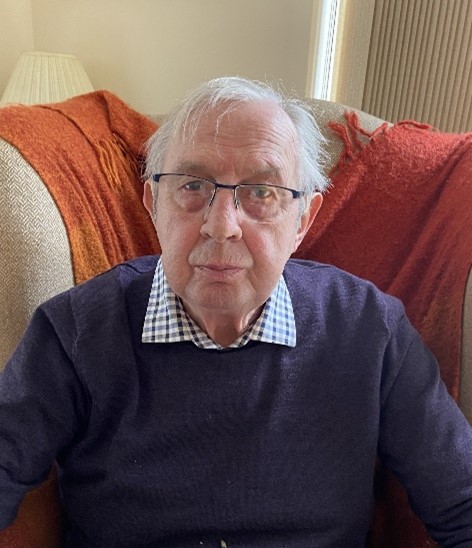
Mr Hatfield was admitted to Furness General Hospital on 18 September 2024 following an unwitnessed fall at home. His wife reported hearing a loud thud from another room and discovered Mr Hatfield lying on the floor. He was conscious and complained of pain in his right hip. No other injuries were immediately apparent.
Initial Assessment and Diagnosis
On arrival at the Emergency Department, Mr Hatfield underwent triage and medical review. He continued to report pain in the right hip and groin. An X-ray revealed a fracture of the right acetabulum involving the right pubic rami. CT images were sent to the Wrightington pelvic team for specialist review and to determine a plan of care.
Admission and Early Management
Mr Hatfield was admitted to Ward 2 and placed in an observation bay under Level 3 Enhanced Care, ensuring he always remained within eyesight of staff due to his high risk of falls. Risk assessments were completed within four hours of admission and repeated weekly.
For bed rest while awaiting the pelvic team’s recommendations. The plan advised toe-touch weight-bearing for four weeks, but Mr Hatfield was unable to comply due to his Parkinson' s-related limitations. Consequently, he remained non-weight-bearing and required hoist transfers from bed to chair. Later, he progressed to using, a mobility aid that allowed him to stand briefly with support and then sit safely.
Rehabilitation and Progress
Physiotherapy commenced on 6 November 2024. Mr Hatfield mobilised using a wheeled Zimmer frame with assistance from two staff members, walking approximately 20 metres, with a wheelchair following behind. Despite this progress, clinical documentation noted significant deconditioning over the six weeks since admission. Mr Hatfield expressed satisfaction with his progress and was eager to return home. Discharge planning discussions began with Mr Hatfield and his wife.
Second Fall and Subsequent Injury
On 18 November 2024, Mr Hatfield experienced another unwitnessed fall. The Clinical Support Worker responsible for his supervision had briefly left the bay to find cover for a break. During this time, Mr Hatfield attempted to stand and fell forward onto his face. He sustained a cut to the bridge of his nose and left elbow and complained of pain in his left hip. Investigations confirmed a left fractured neck of femur.
Surgical Intervention
On 19 November 2024, Mr Hatfield underwent a left hemiarthroplasty to manage the femoral neck fracture. Post-operatively, plans were made for continued rehabilitation and reassessment of discharge arrangements.
Despite surgical intervention and rehabilitation, Mr Hatfield sadly died on 31 December 2024.
Immediate Actions Taken
- Post-fall checklist completed
- Hover jack used for safe transfer
- Clinical reassessment undertaken
- Surgery performed for left hemiarthroplasty
Contributory Factors
- Observation bay left unattended despite the Level 3 Enhanced Care requirement
- Lack of documented Enhanced Care Risk Assessment
- Staffing and supervision gaps during breaks
- Prolonged immobility leading to deconditioning
Learning Identified
- Continuous supervision is essential for patients at high risk of falls
- Enhanced Care documentation must be completed and audited
- Structured supervision rota required to prevent lapses
- Communication during staff handover must be robust
Action |
Responsible Team |
Position |
|---|---|---|
|
Implement a mandatory supervision rota for observation bays at the start of each shift. |
Ward Manager |
Complete 21/11/2024 |
|
Reinforce Enhanced Care documentation standards through staff training |
Matron |
Complete 31/01/2025 Ongoing for new staff |
|
Yellow Lanyards have been sought again and encouraged to be used by the supervision nurse. |
Matron |
In place 01/01/2025 |
|
Develop a local protocol for staff breaks that ensures continuous patient observation. |
Ward Manager |
Complete |
|
Review the Enhanced Observation, Supervision and Person-Centred Care Policy to include:
|
Matron for Dementia Matron for LD, Autism and complex needs |
Policy reviewed and approved December 2025. |
|
Mr Hatfield lost around 3.5 - 4 stone whilst in FGH and Mrs Hatfield feels that if she had been made aware she could come in and assist him at mealtimes, this would have benefited him. Mrs Hatfield not made aware of the Care Partner Programme. |
Patient Experience Team |
Care Partner Programme reminders shared with ward staff. Complete 01/04/2025 |