
We are passionate about being an organisation where all our colleagues feel confident to raise concerns and feel supported if they are involved in a patient safety event.
 Our Patient Safety Incident Response Plan (PSIRP) details how we respond to patient safety events, and signifies the Trust’s continued commitment to proactively improving patient safety.
We know that ‘one size fits all’ is rarely true, which is why the plan is flexible and allows colleagues to consider the circumstances of patient safety issues and the needs of those affected when responding.
Over the past year, we have been working hard to gather data, work with internal and external stakeholders, and hold workshops to help us identify our patient safety priorities. 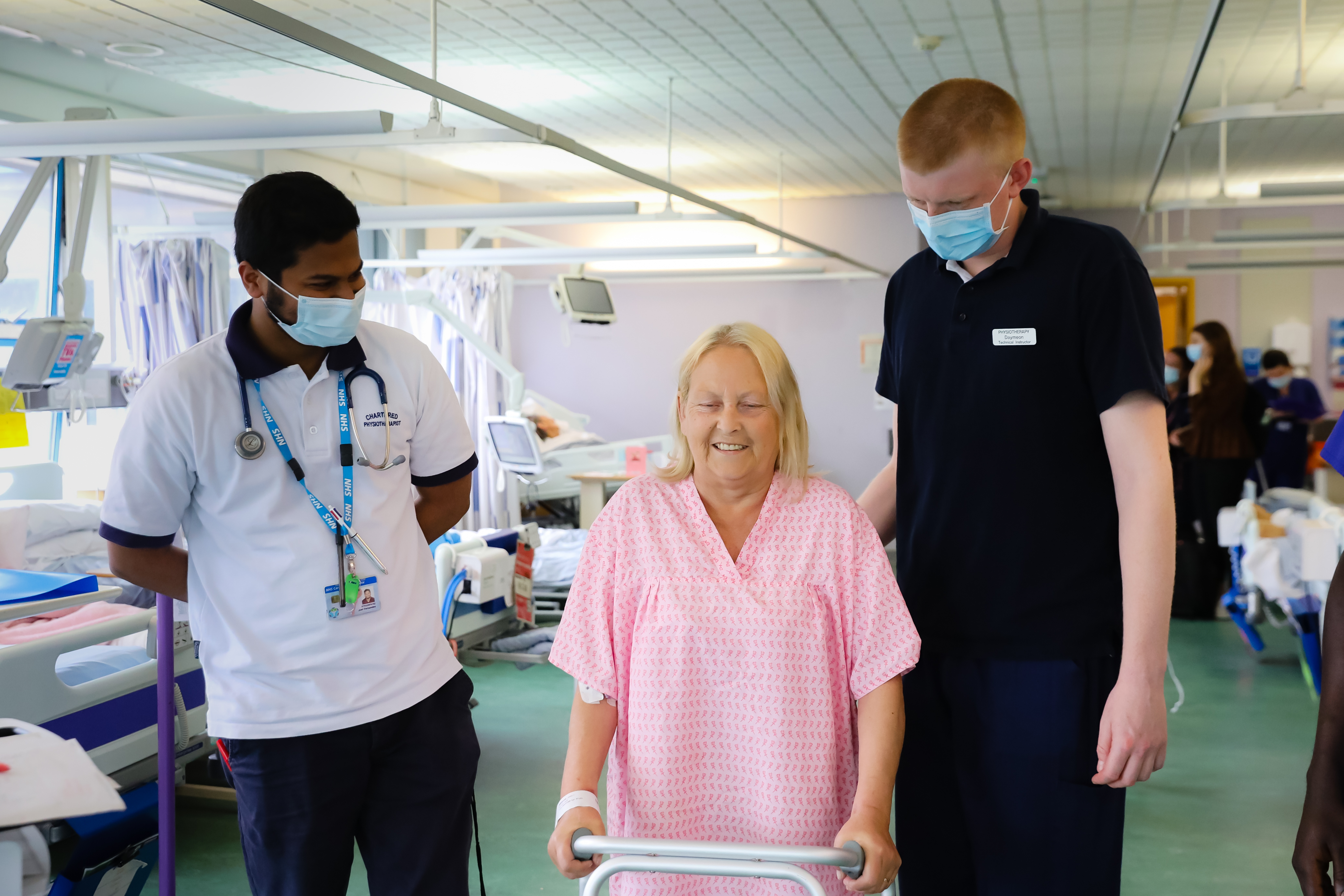
Read our Patient Safety Incident Response Plan here.
If you have any additional questions, please contact the team on PSIRF@mbht.nhs.uk
Patient Safety Incident Response Plan
Introduction
I am incredibly privileged to introduce our first ever Patient Safety Incident Response Plan! This plan will provide you with an overview of the Trust’s Patient Safety Priorities for the next 12 – 18 months.
The Patient Safety Incident Response Framework fundamentally shifts how University Hospitals of Morecambe Bay NHS Foundation Trust will respond to patient safety events. This will replace the existing approach mandated through the Serious Incident Framework.
University Hospitals of Morecambe Bay NHS Foundation Trust is a complex organisation covering a large geographical area and historically we have not always got things right. However, this plan signifies the Trust’s continued commitment to proactively improving patient safety.
Over the past year, we have been working incredibly hard to prepare for this transition. We have triangulated data from multiple data sources to truly understand our patient safety profile and have worked with key stakeholders both internally and externally.
Through this approach we have been able to identify 5 Patient Safety Priorities which I feel accurately reflect the Trust’s Patient Safety risks. These priorities will be subject to a number of comprehensive Patient Safety Incident Investigations and will be underpinned by a robust quality improvement process. This will ensure that learning is embedded and shared across the organisation.
Compassionate engagement with those involved in patient safety events is at the heart of this Plan and goes beyond the statutory requirements of ‘Duty of Candour’. This includes working with patients, families and carers to ensure they receive appropriate support and can contribute to improving the services we provide.
The Trust is committed to developing and fostering a restorative just culture. We are passionate about being an organisation where all our staff feel confident to raise concerns and feel well supported if they are involved in a patient safety event.
It is important to remember that it is rarely true that ‘one size fits all’. Therefore, this plan will enable a greater deal of flexibility. There will be multiple learning responses available to respond to patient safety events.
Thank you for being part of our patient safety improvement journey.
Tabetha Darmon
Chief Nursing Officer
Purpose and Scope
Purpose
This Patient Safety Incident Response Plan (PSIRP) sets out how University Hospitals of Morecambe Bay NHS Foundation Trust (UHMB) intends to respond to patient safety events over a period of 12 to 18 months.
Scope
This Patient Safety Incident Response Plan (PSIRP) will detail the Trust’s approach to responding to patient safety incidents and should be followed by all staff across the organisation.
The plan is not a permanent rule that cannot be changed. We will remain flexible and consider the specific circumstances in which patient safety issues and events occurred and the needs of those affected.
Roles and responsibilities
The below outlines the roles and responsibilities relating to this document:
Chief Executive Officer
The Chief Executive Officer has the ultimate responsibility for all aspects of patient safety which includes the management of incidents. This includes ensuring that appropriate structures are in place to enable appropriate investigation, analysis and learning and ensuring resources are available to comply with this plan. The Chief Executive is responsible for the provision of appropriate policies and procedures for all aspects of health and safety (Health and Safety at Work Act 1974).
Chief Nursing Officer
The Chief Nursing Officer is the Executive Lead who has responsibility for patient safety within the Trust and is accountable for ensuring an adequate system is in place to enable appropriate and proportionate responses to safety incidents that occur within the Trust.
All Other Executive and Non-Executive Directors
All Directors who sit on the Trust Board (either Executive or Non- Executive) have responsibility for adhering to, championing and supporting the implementation of this patient safety plan within the remits of their identified portfolios.
Director of Governance
The Director of Governance will support the Chief Nursing Officer with all elements of her portfolio in relation to Patient Safety. The Director of Governance has overall responsibility as the lead manager for the Trust’s patient safety function and will provide strategic direction in relation to the implementation of this plan.
Deputy Director of Clinical Governance
The Deputy Director of Clinical Governance will support the Director of Governance with all elements of their portfolio and provide senior day- to-day leadership in relation to patient safety which includes ensuring the successful implementation of this plan.
Head of Patient Safety & Complaints / Patient Safety Manager
The Head of Patient Safety & Complaints and Patient Safety Manager will operationally manage the patient safety function within the Trust. This includes ensuring an appropriate system is in place for staff to report, manage and investigate patient safety events in line with this plan. The Head of Patient Safety & Complaints and Patient Safety Manager will be responsible for maintaining this plan and ensuring emerging themes and trends relating to patient safety are incorporated into this document.
Head of Safeguarding and Professional Lead
The Head of Safeguarding and Professional Lead will be responsible for operationally leading the Trust’s established Safeguarding processes. In addition to this, the Head of Safeguarding and Professional Lead will be responsible for ensuring appropriate safeguarding cases, which meet the national requirements for investigation are identified and escalated as appropriate.
Medical Examiners / Mortality Review Team
The Medical Examiners and Mortality Review Team will ensure deaths are reviewed in accordance with national policy. Any learning identified through these processes will feed into established processes and any deaths felt to be preventable will be escalated for review in line with the national priorities set out in this plan.
Patient Safety team
The Patient Safety Team will support the Head of Patient Safety & Complaints and Patient Safety Manager with the implementation of this document.
Patient Safety Partners (PSPs)
The Patient Safety Partners (PSPs) will play a pivotal role in the implementation of this plan by ensuring the voice of patients, families and carers is heard at all levels of the organisation in relation to patient safety activity.
Care Group Triumvirate Members
Care Group Triumvirate members have responsibility for adhering to, championing and supporting the implementation of this plan within the remits of their identified portfolios.
Governance Business Partners
Governance Business Partners are responsible for acting as the conduit between their allocated Care Group and the Corporate Patient Safety Function. They will proactively champion the plan and will flag any emerging themes. The Governance Business Partners will ensure Care Groups proactively respond to patient safety events appropriately and proportionately. Any learning identified as part of any patient safety activity will be assessed and shared through established routes if appropriate.
Care Group Governance Teams
The Care Group Governance Teams will work under the direction of the Corporate Patient Safety Team to ensure the plan is implemented within their respective Care Groups. Emerging themes and trends will be escalated as and when appropriate.
All other staff
All staff across the organisation are responsible for ensuring any patient safety event is reported within 24 hours of occurrence. All staff will be required to adhere to this plan.
Patient Experience Group
The Patient Experience Group is responsible for receiving the quarterly Learn from Events report and ensuring appropriate learning is identified and shared. The Group will ensure patients, families and carers remain at the heart of all patient safety activity by providing appropriate support and challenge.
Trust Board
The Trust Board has a responsibility to ensure that it receives assurance that this plan is being implemented, that lessons are being learnt, and areas of vulnerability are improving. This will be achieved through reporting processes as well as receiving assurance via the Quality Assurance Committee. The Trust Board receives a bi-monthly report on patient safety incident investigations within the Trust and monitors the lessons learned from these. Where concerns are identified relating to the robustness of lessons learned or actions planned, the Trust Board will seek assurances that these concerns are being acted upon.
Integrated Care Board (ICB)
The ICB is responsible for approving this plan and ensuring collaborative work across the local integrated care system (ICS). The ICB will act as a key stakeholder providing oversight and support to the Trust in the implementation of this plan. A representative from the Integrated Care Board will attend the Trust’s Learning Review Group to oversee and ensure the quality of investigations undertaken by the Trust.
Quality Assurance Committee
The Quality Assurance Committee has responsibility for reviewing completed reports and system improvement plans for effectiveness. The Committee will receive a monthly report on the organisation’s progress against this PSIRP.
Quality Governance and Patient Safety Group
The Quality Governance and Patient Safety Group has responsibility for reviewing the patient safety event management function. The Quality Governance and Patient Safety Group reports to the Quality Assurance committee and provides assurance on reports/evidence received. Where there are concerns about the robustness of actions identified, or the progress on implementation, the Group will seek assurances that risks are being adequately addressed. Where there are remaining concerns these will be escalated to the Quality Assurance Committee.
Our services
University Hospitals of Morecambe Bay NHS Foundation Trust provides community and hospital services across the Morecambe Bay area. This is an area covering a thousand square miles in South Cumbria and North Lancashire.
The Trust operates three main hospitals including:
1. Furness General Hospital in Barrow
2. Royal Lancaster Infirmary in Lancaster
3. Westmorland General Hospital in Kendal
In addition to this, the Trust operates a number of community health care premises including:
-
Millom Hospital in Millom
-
Queen Victoria Hospital in Morecambe
-
Ulverston Community Health Centre in Ulverston
Furness General Hospital and Royal Lancaster Infirmary have a range of General Hospital Services, with full Emergency Departments, Critical/Coronary Care Units and Consultant led services. Maternity services at Furness General Hospital and Royal Lancaster Infirmary offer midwife-led and obstetric consultant-led care for both high risk and low risk women.
Westmorland General Hospital provides a range of General Hospital services, together with an Urgent Treatment Centre, that can help with a range of non-life threatening conditions such as broken bones and minor illnesses. Westmorland General Hospital includes Helme Chase, which is a midwifery-led unit. This means there are no doctors present. All three of the main sites provide a range of planned care including outpatients, diagnostics, therapies, day case and inpatient surgery. In addition, a range of local outreach services and diagnostics are provided from community facilities across Morecambe Bay.
Our community services for adults are provided in people’s homes, community centres, clinics, GP Practices, community hospitals and our main hospitals. The Trust is structured into five clinical care groups as follows:
1. Surgery and Critical Care
2. Medicine Combined
3. Women’s and Children’s
4. Core Clinical Services
5. Integrated Community Care
Defining our Patient Safety Incident Profile
Data sources
The Trust recognises that in order to truly understand its patient safety profile it must review data from a variety of sources. As a result, a three year review of the following data has been undertaken to inform the development of this plan.
The Trust recognises that in order to truly understand its patient safety profile it must review data from a variety of sources.
The summary below provides an overview of the scale of the review and the analysed data sources. Where possible, the Trust reviewed activity between 01/04/2020 – 31/03/2023:
-
60,873 Incidents
-
24,738 Safeguarding concerns
-
1,007 Complaints
-
11,744 PALS – Patient Advice and Liaison Service
-
461 Risks
-
71 Workforce grievances
-
321 Serious incidents
-
5,071 Mortality reviews
-
6,704 12 hour breaches
-
384 Claims
-
70 CQC enquiries
-
3 years Freedom to speak up
-
1,214,631 Friends and family tests
The Trust was unable to review three years’ worth of data for the following datasets:
Risks
The Trust made the conscious decision to review the live risks currently active on the Trust’s Risk Register. This was to ensure we focused on risks that are still a concern to the organisation.
Mortality reviews
In April 2021, the Trust invested in a new system to manage the Mortality Review process. In order to ensure that the data reviewed was consistent it was agreed that only data from this point forward would be reviewed. Therefore, two financial years’ worth of deaths that were potentially felt to be preventable were reviewed.
CQC enquiries
The Trust only started to capture CQC enquiries in a structured form, which allowed us to review these for themes and trends from April 2022. Therefore, one financial year worth of data was reviewed.
This review identified a number of ‘Patient Safety Themes’ which were considered as potential ‘Patient Safety Priorities’.
Stakeholder engagement
In preparation of implementing the Patient Safety Incident Response Framework (PSIRF), the Trust convened an Implementation Group, which included key stakeholders from across the organisation.
The group consisted of the following representatives:
Implementing the Patient Safety Incident Response Framework (PSIRF)
UHMBT Organisation Group
-
Patient Safety team
-
Director of Governance
-
Deputy Director of Clinical Governance
-
Deputy Medical Director
-
Health, Safety and Risk team
-
Governance Business Partners – all care groups
-
Patient Experience team
-
Pharmacy
-
Children and Young People service
-
Maternity Service
-
Deputy Chief Nurse
-
Legal Services
-
Surgery and Critical Care
-
Patient Safety partners
-
Business Intelligence
-
Core Clinical Services care group
-
Improvement Team
-
Safeguarding
-
Recovery Support Programme
-
Medicine Combined Care Group
-
Workforce and Organisational Development
This group contributed to the production of this plan and helped steer the organisation’s implementation of PSIRF. In addition to this, a comprehensive communications strategy, supported by the Trust’s Communications Department was produced and implemented with the aim to engage with other stakeholders across the organisation.
ICB Organisation group
Quality and Patient safety team
External Organisation Group
Governance Consultant
To identify the Trust’s local patient safety priorities, multiple engagement sessions were held with staff from across the organisation. Two face-to-face sessions were held for members of the PSIRF implementation group and five virtual sessions were held which were open to all staff within the Trust.
The below provides an overview of the staff within the Trust who took part in these sessions.
Admin Clerical – 36 (33.64%)
Nurse – 33 (30.84%
Doctor – 24 (22.43%)
Pharmacy – 5 (4.67%)
Operational – 3 (2.80%)
Patient Safety Partners – 2 (1.87%)
Allied Health Professionals – 2 (1.87%)
ICB – 1 (0.93%)
Patient Safety Consultant – 1 (0.93%)
Total – 107
The Trust also actively engaged with inspectors of the Care Quality Commission who are responsible for regulating the Trust to agree the five identified priorities. Staff who attended the engagement sessions were invited to score the identified themes from the data sources detailed previously, based on the following criteria:
Likelihood of Harm
Staff were required to review the likelihood of harm based on a scale of 1 (Rare) – 5 (Almost Certain) Staff were required to consider the frequency of previous events in addition to the probability of events occurring in the future.
Impact of Harm
Staff were required to review the likelihood of harm based on a scale of 1 (Insignificant) – 5 (Catastrophic) Staff were advised to consider both the physical and psychological impact of harm if an incident was to occur.
Confidence in Existing Improvement Work
Staff were required to review the confidence in existing improvement work on a scale of 1 (Extremely Confident) – 5 (No Confidence at All) Staff were made aware of existing improvement work in relation to identified themes and were asked to consider their effectiveness.
Potential for New Learning
Staff were required to review the potential for new learning on a scale of 1 (No Potential for Learning) – 5 (Significant Potential for Learning) Staff were asked to consider what the potential for learning was within each identified themes.
Local Priorities
Through our analysis and engagement workshops, the Trust has determined 5 patient safety priorities. These priorities will be the focus of the Trust’s Patient Safety activity over the next 12 – 18 months.
These patient safety priorities form the foundation for how the Trust will decide to conduct Patient Safety Incident Investigations (PSII) and other appropriate patient safety reviews. The Patient Safety Priorities are detailed as follows:
-
Delayed, missed or incorrect cancer diagnosis
Delayed, missed or incorrect diagnosis was identified as a consistent theme over multiple datasets. This included:
• Incidents
• Serious Incidents
• Complaints
• PALS
• Claims Following the engagement workshops, further analysis was undertaken with key medical stakeholders who identified ‘Delayed, Missed or Incorrect Cancer Diagnosis’ as the impactful element of this theme.
-
Delayed recognition of a deteriorating patient
Delayed or incorrect care or treatment was identified as a consistent theme over multiple datasets. This included:
• Serious Incidents
• Complaints
• PALS
• Claims Following the engagement workshops, further analysis was undertaken with key medical stakeholders who identified ‘Delayed recognition of a deteriorating patient’ as the most appropriate Patient Safety Priority. This could include, but is not constrained to, the failure to respond appropriately to a patient with sepsis, VTE, AKI, cardiac arrest etc.
-
Missed or incorrect administration of Parkinson’s medications resulting in harm to a patient within our care
Administration of Medication was identified as a consistent theme within the Incident dataset. Following the engagement workshops, this theme was reviewed at the Medication Safety Improvement Group, which included senior nursing representatives from across the organisation. In addition to this, the group included the Pharmacy leadership team. It was agreed that the focus for this theme would be on missed or incorrect administration of Parkinson’s medications. It was felt by the group that this was an emerging theme within the organisation which could significantly increase the risk of a patient being involved in additional incidents (i.e. falls etc.).
-
Transfer of a frail patient that has the potential to cause harm
Delay in or inappropriate transfers of patients was identified as a consistent theme within the Incident dataset. Following the engagement workshops, this theme was further analysed in conjunction with the Trust’s Patient Flow Matron who identified the transfer of a frail patient being a recurring event, which poses significant risk to the patient.
-
Poor discharge arrangements relating to TTOs.
Poor Discharge Arrangements was identified as a prominent theme within the complaints dataset. Following the engagement workshops, this theme was further reviewed with the Trust’s Discharge Coordinator who identified poor discharge arrangements relating to TTOs as a recurring issue. Furthermore, this theme was flagged by the Patient Experience Group as the priority most likely to have a direct impact on patients and families.
Terms of Reference
All initiated Patient Safety Incident Investigations should have defined terms of reference, which is agreed in conjunction with the patient, family and carers impacted by the patient safety event.
However, the following terms of reference will be included in conjunction of those agreed with the patient, family and carer:
“Did the people impacted by the patient safety event have any associated health inequalities?” and “Did health inequalities contribute to the cause of the patient safety event and to what extent?” Health Inequalities may include but are not limited to:
• The availability of services in their local area
• Diverse gender identity
• Service opening times
• Access to transport
• Access to childcare
• Language (spoken, written and British sign language)
• Literacy
• Poor experiences in the past
• Misinformation
• Fear People living in areas of high deprivation, those from Black, Asian and minority ethnic communities and those from inclusion health group, for example the homeless, are most at risk of experiencing these inequalities. Any other diverse background should also be considered.
Engagement with the Patient Experience Group highlighted health inequalities as potentially being a recurring theme within patient safety events.
“Was there evidence of poor / inappropriate communications between staff / services and patients, families and carers?” Poor / inappropriate communications could include but is not limited to:
• Rude / aggressive behaviour leading to poor patient or staff experience
• Minimal information provided to patients / families / carers
• Limited explanation of complex medical information.
• Inappropriate format of information (i.e. incorrect language etc.)
• Poor communication in relation to a patient’s care plan
Poor communication was initially highlighted as a potential patient safety priority and was particularly evident within the complaints dataset. Staff engagement sessions highlighted this as a potential theme across all identified priorities. This also aligns with the Trust’s ‘Civility Saves Lives’ campaign.
“Were there adequate staffing levels at the time of the patient safety event?” Staffing Levels should consider but is not limited to:
• Were staffing levels in line with establishment?
• Consider all staffing groups including Medical, Nursing, Midwifery and Allied Health Professional
• If there were reduced staffing levels, consider how this impacted the patient safety event.
• Was the skill mix appropriate for the acuity?
Staffing levels were identified as a potential patient safety priority. Staff engagement sessions agreed that this is a potential theme across the agreed patient safety priorities.
“Has the subjects of the patient safety event been unfairly impacted as a result of a protected characteristic?” The Equality Act 2010 defines protected characteristics as follows:
• Age
• Disability
• Gender reassignment
• Marriage and civil partnership
• Pregnancy and maternity
• Race
• Religion or belief
• Sex
• Sexual orientation
Poor communication was initially highlighted as a potential patient safety priority and was particularly evident within the complaints dataset. Staff engagement sessions highlighted this as a potential theme across all identified priorities. This also aligns with the Trust’s ‘Civility Saves Lives’ campaign.
Defining our Patient Safety Improvement Profile
The Morecambe Bay Way to delivering improvement supports the delivery of the Trust’s strategic priorities, vision, values, and ambitions and aligns with the National Improvement Framework.
We approach our improvements through a 6-Step Improvement process which incorporates the international Model for Improvement tool from the Institute for Healthcare Improvement (IHI) which allows us to apply a consistent approach across the Trust in all our improvement work. The recommendations from our Patient Safety Investigations and Patient Safety Reviews will follow this process. Our approach and framework for improvement are described in our Continuous Quality Improvement Strategy and our Continuous Quality Improvement Delivery Plan.
At the point that an improvement has been identified, improvement plans will be co- produced with the improvement team to identify outcomes measures and actions to then be shared. Each identified priority will have an associated Group which will oversee the quality improvement work. These will be led by subject matter experts and will feed into the Trust’s Learning Response Group.
Our Patient Safety Incident Response Plans
National requirements
In addition to the 5 identified Patient Safety Priorities, the Trust must comply with the following national event response requirements:
Event - Deaths thought more likely than not due to problems in care (incidents meeting the learning from deaths criteria for PSII)
Action Requires – Locally led PSII led by the Trust
Event - Deaths of patients detained under the Mental Health Act (1983) or where the Mental Capacity Act (2005) applies, where there is reason to think that the death may be linked to problems in care (incidents meeting the learning from deaths criteria)
Action Requires – Locally led PSII led by the Trust
Event - Incidents meeting the Never Events criteria 2018, or its replacement
Action Requires – Locally led PSII led by the Trust
Event - Mental health-related homicides
Action requires - Referred to the NHS England Regional Independent Investigation Team (RIIT) for consideration for an independent PSII Locally-led PSII may be required. As decided by the RIIT
Event - Maternity and neonatal incidents meeting Healthcare Services Safety Investigation Branch (HSSIB) criteria or Special Healthcare Authority (SpHA) criteria when in place
Action requires - Refer to HSSIB or SpHA for independent PSII. Led by HSSIB (or SpHA)
Event – Child deaths
Action requires - Refer for Child Death Overview Panel review Locally-led PSII (or other response) may be required alongside the panel review – organisations should liaise with the panel. Led by Child Death Overview Panel
Event - Deaths of persons with learning disabilities
Action requires - Refer for Learning Disability Mortality Review (LeDeR) Locally-led PSII (or other response) may be required alongside the LeDeR – organisations should liaise with this. Led by LeDeR programme
Event - Safeguarding incidents in which:
• babies, children, or young people are on a child protection plan; looked after plan or a victim of willful neglect or domestic abuse/ violence
• adults (over 18 years old) are in receipt of care and support needs from their local authority
• the incident relates to Female Genital Mutilation (FGM), Prevent (radicalisation to terrorism), modern slavery
• and human trafficking or domestic abuse/violence
Action requires - Refer to local authority safeguarding lead Healthcare organisations must contribute towards domestic independent inquiries, joint targeted area inspections, child safeguarding practice reviews, domestic homicide reviews and any other safeguarding reviews (and inquiries) as required to do so by the local safeguarding partnership (for children) and local safeguarding adults boards. Refer to your local designated professionals for child and adult safeguarding
Event - Incidents in NHS screening programmes
Action requires – The Trust, led by LeDeR programme
Event - Deaths in custody (e.g. police custody, in prison, etc.) where health provision is delivered by the NHS
Action requires - Any death in prison or police custody will be referred (by the relevant organisation) to the Prison and Probation Ombudsman (PPO) or the Independent Office for Police Conduct (IOPC) to carry out the relevant investigations Healthcare organisations must fully support these investigations where required to do so. Led by PPO or IOPC
Event – Domestic homicide
Action requires - A domestic homicide is identified by the police usually in partnership with the community safety partnership (CSP) with whom the overall responsibility lies for establishing a review of the case where the CSP considers that the criteria for a domestic homicide review (DHR) are met, it uses local contacts and requests the establishment of a DHR panel. The Domestic Violence, Crime and Victims Act 2004 sets out the statutory obligations and requirements of organisations and commissioners of health services in relation to DHRs. Led by CSP
Local focus
The Trust will be flexible with its investigative approach, informed by the national and local priorities detailed within this plan.
An established ‘Daily Triage’ group will triangulate events captured through a variety of routes (i.e. incidents, complaints etc.) and agree the most appropriate response based on the potential for learning, improvement and systemic risk.
National Guidance recommends that 3 – 6 investigations per priority are conducted. The table below details the number of Patient Safety Incident Investigations (PSII) which will be undertaken for the Trust’s identified priorities:
Delayed, missed or incorrect cancer diagnosis – 5
Delayed recognition of a deteriorating patient – 5
Missed or incorrect administration of Parkinson’s medications resulting in harm to a patient within our care – 5
Transfer of a frail patient that has the potential to cause harm – 5
Poor discharge arrangements relating to TTOs. - 5
Incidents which previously met the Serious Incident Framework’s definition of a ‘serious incident’ must not routinely be investigated using the Patient Safety Incident Investigation (PSII) process.
By undertaking PSII investigations for events that do not meet the criteria of the identified patient safety priorities the Trust runs the risk of recreating the Serious Incident Framework.
Resources for proactive planning
The table below provides an overview of the anticipated activity within the Trust over the next year. This excludes any investigations which would be referred to an external organisation:
Response type – PSII
Category – Local Priorities defined PSII’s
Anticipated number of responses – 25 (based on this plan)
Time commitment - Minimum 60 hours per investigation for:
• 1 lead investigator
• 1 support investigator Up to 30 hours per investigation for:
• subject matter expertise
• family liaison Plus Up to 30 hours per investigation for:
• investigation oversight and support
• administration support
• interview and statement time of staff involved in the incident board committee approval and sign off
Response type - PSII
Category – National priorities
Anticipated number of responses - Deaths thought more likely than not due to problems in care (incidents meeting the learning from deaths criteria for PSII) 21 based on an average of incidents graded as ‘Death’ over the past three financial years.
Time commitment - Minimum 60 hours per investigation for:
• 1 lead investigator
• 1 support investigator Up to 30 hours per investigation for:
• subject matter expertise
• family liaison Plus Up to 30 hours per investigation for:
• investigation oversight and support
• administration support
• interview and statement time of staff involved in the incident board committee approval and sign off
Response type - PSII
Category – National priorities
Anticipated number of responses - Deaths of patients detained under the Mental Health Act (1983) or where the Mental Capacity Act (2005) applies, where there is reason to think that the death may be linked to problems in care (incidents meeting the learning from deaths criteria) 0 based on the Trust average over the last three financial years.
Time commitment - Minimum 60 hours per investigation for:
• 1 lead investigator
• 1 support investigator Up to 30 hours per investigation for:
• subject matter expertise
• family liaison Plus Up to 30 hours per investigation for:
• investigation oversight and support
• administration support
• interview and statement time of staff involved in the incident board committee approval and sign off
Response type - PSII
Category – National priorities
Anticipated number of responses - Incidents meeting the Never Events criteria 2018, or its replacement. 3 based on an average of the declared never events by financial year since 2020/2021.
Time commitment - Minimum 60 hours per investigation for:
• 1 lead investigator
• 1 support investigator Up to 30 hours per investigation for:
• subject matter expertise
• family liaison Plus Up to 30 hours per investigation for:
• investigation oversight and support
• administration support
• interview and statement time of staff involved in the incident board committee approval and sign off
Response type – Various (continued)
Category – Local level
Anticipated number of responses - Incidents Resulting in Moderate or Severe Harm to Patient. Average Investigations Undertaken: The below provides an average number of investigations initiated in a financial year since 01/04/2020. 503 (72 Hour Review) 118 (Concise Care Group Reviews) 1 (Never Event Proforma) 113 (RCAs) 735 (Total) Questionnaires Completed: The below provides an average number of questionnaires initiated in a financial year since 01/04/2020. 369 (COVID19 PIR) 259 (Resus Review) 349 (Community Tissue Viability) 156 (Acute Falls) 142 (Delay for Cancer Treatment) 49 (Clostridium Difficile PIR) 34 (Surgical Site Infections) 6 (Acute Tissue Viability) 54 (Sharps) 9 (VTE) 1377 (Total)
Time commitment - Maximum eighteen hours per response review
How we will respond to patient safety events
Patient safety event occurs
National Priorities
-
Incident meeting ‘each baby counts’ criteria
-
Incident meeting maternal death criteria
-
Child death
-
Death of person with learning disabilities
-
Safeguarding incidents meeting criteria
-
Incidents in screening programmes
-
Death of patients in custody/prison/probation
-
Incidents meeting the never event criteria
-
Incidents resulting in death
Local priorities
-
Delayed, missed or incorrect cancer diagnosis
-
Delayed recognition of a deteriorating patient
-
Missed or incorrect administration of Parkinson’s medications resulting in harm to a patient within our care
-
Transfer of a frail patient that has the potential to cause harm
-
Poor discharge arrangements relation to TTO’s
All other events
-
Incidents resulting in moderate or severe harm to patient
-
No/low harm patient safety incident
Approach
-
Referred to healthcare Services Safety Investigation Branch (HSSIB)
-
Initiate child death review
-
Reported and reviewed by Learning Disabilities Mortality Review (LeDeR)
-
Reported to named Safeguarding lead
-
Reported to Public Health England (PHE)
-
Reported to Prison and Probation Ombudsman (PPO)
-
Patient Safety Incident Investigation
-
Patient Safety Incident Investigation (where agreed)
-
Duty of Candour applied and appropriate learning response agreed at Daily Triage
-
Local management with data reviewed for themes and trends
Improvements
-
Respond to recommendations from external referred agency / organisation as required.
-
Create local organisational recommendations and actions
-
Create local organisational recommendations and actions feeding into patient safety priorities improvement programmes
-
Inform thematic analysis of ongoing patient safety risks
Governance structure
Patient safety event occurs and is reported
Daily Triage All reported patient safety events are reviewed at the next working day’s ‘Daily Triage’ meeting. Daily Triage is a multi- disciplinary meeting and includes representatives from all Care Groups, Patient Safety, Health & Safety, Safeguarding and others. The meeting enables staff to escalate events of concern and agree an appropriate learning response.
Investigation or Learning Response The appropriate ‘learning response’ is completed. This could be a Patient Safety Incident Investigation (PSIl), Thematic Review, After Action Review, Questionnaire etc.
Local Level Management The event will be managed by the appropriate departmental manager and will inform future thematic analysis
Executive Review Group Events of concern will be escalated to the Trust’s Executive Review Group for oversight, challenge and support. If a safety critical event occurs outside of meeting timeframe, this will be escalated immediately to the Chief Nursing Officer, Chief Medical Officer and Director of Governance.
Patient safety priority
-
Delayed, missed or incorrect cancer diagnosis
-
Delayed recognition of a deteriorating patient
-
Missed or incorrect administration of Parkinson’s medications resulting in harm to a patient within our care
-
Transfer of a frail patient that has the potential to cause harm
-
Poor discharge arrangements relation to TTO’s
-
Cancer Operational Group
-
Deteriorating patient group
-
Medicine management improvement group
-
Harm free care
-
Criteria led discharge group
Quality improvement workstreams
Learning response group
Part A Final investigation or learning response reports are presented to the Learning Response Group for scrutiny. The group is Chaired by either the Deputy Chief Nurse, Deputy Medical Director or Director of Governance.
Part B Quality Improvement Plans relating to the Trust’s Patient Safety Priorities are overseen by this Group. The Group reviews these, provides appropriate support and ensures Quality Improvement methodology is used. The Group will monitor and measure progress against agreed outcomes to ensure effective improvements are implemented and sustained.
Learning responses
Patient Safety Incident Investigation (PSII)
A Patient Safety Incident Investigation (PSII) is a comprehensive investigation which will utilise the System Engineering Initiative for Patient Safety (SEIPS) framework. These investigations may be initiated when it is felt a patient safety event meets the criteria to be defined as a national (see section 7) or local priority (see section 8).
After Action Review
An After Action Review is a method of evaluation that is used when outcomes of an activity or event, have been particularly successful or unsuccessful. It aims to capture learning from these tasks to avoid failure and promote success for the future. It is important to try and include as many people as possible who were involved in the activity or event so that a wide range of viewpoints can be explored. Everyone should feel they are able to contribute without fear of blame or retribution. After Action Reviews are about learning, not holding people to account. The discussions tend to last a maximum of one hour. The facilitator of the group will guide the group through a series of questions:
-
What happened that we want to learn from?
-
What did we set out to do?
-
What actually happened?
-
Why were there differences?
-
What went well? Why?
-
What could have gone better? Why?
-
What would you do differently next time?
The convened group will then agree any appropriate actions and identified learning.
Multidisciplinary (MDT) Team Review
The multidisciplinary team (MDT) review supports health and social care teams to:
-
identify learning from multiple patient safety events
-
agree the key contributory factors and system gaps in patient safety events
-
explore a safety theme
-
pathway, or process
-
and gain insight into ‘work as done’ in a health and social care system
Multidisciplinary (MDT) Team Reviews are most useful when a wide range of stakeholders share their perspective on ‘work as done’ in the health or social care system being analysed.
Round Table Huddle
Round table huddles are used to identify learning from patient safety events. Immediately after an event, staff meet to quickly analyse what happened and how it happened and decide what needs to be done to reduce the risk.
Walkthrough Analysis
Walkthrough analysis is a structured approach to collecting and analysing information about a task or process or a future development (e.g. designing a new protocol).
Thematic Review
A thematic review can identify patterns in data to help answer questions, show links or identify issues. Thematic reviews typically use qualitative (e.g. Incident reports, Complaints data etc.) rather than quantitative data to identify safety themes and issues. Thematic Reviews can be used for multiple purposes, including:
-
Developing or revising our Safety Improvement Profile
-
Aggregating information from many diverse sources of safety intelligence datasets.
-
Gathering insight about gaps / safety issues across a pathway or as part of an overarching safety theme to direct further analysis
-
Aggregating findings from multiple incident responses to identify interlinked contributory factors to inform / direct improvement efforts
-
Presenting summary data to show the impact of ongoing safety improvement work
Engaging and involving patients, families and carers
The Trust is committed to being open and honest with patients, families and carers who are directly impacted by a patient safety event. This goes beyond the regulatory requirement of Duty of Candour and includes the adoption of the 9 engagement principles listed below:
Engagement principles
-
Apologies are meaningful. Getting an apology right is important and sets the tone for everything that follows. This is also a mandated element of the Duty of Candour.
-
Approach is individualised. The Trust will be flexible and adapt to the individual directly impacted by the patient safety event. This could be practically, physically or emotionally
-
Timing is sensitive. Engaging those impacted by events at the correct time is important. The Trust will try to engage at a time that suits the individual and takes into consideration key dates (such as birthdays, funeral dates, anniversaries etc.)
-
Those affected are treated with respect and compassion. Everyone involved in a patient safety event should be treated respectfully. The Trust recognises it has a duty of care for everyone involved in a patient safety event and its subsequent response.
-
Guidance and clarity are provided. It is recognised that the patient safety processes within Healthcare can appear complex and confusing. The Trust will assume no prior knowledge of these processes and ensure each element is clearly explained.
-
Those affected are ‘heard’. Everyone affected by a patient safety event should have the opportunity to be listened to and share their experience.
-
Approach is collaborative and open. The Trust will ensure any investigation process is collaborative and open with information and provides answers.
-
Subjectivity is accepted. Everyone will experience the same patient safety event in different ways. No one ‘truth’ will be prioritised over another.
-
Strive for Equity. Organisations may differ from patients, families, and healthcare staff in what they consider is the appropriate response to a patient safety event. The opportunity for learning should be weighed against the needs of those affected by the event. Engagement leads need to understand and seek information on the impact of how they choose response types on those affected by patient safety events and be aware of the risk of introducing inequity into the process of safety responses.
Duty of Candour
This statutory duty of candour was brought into law in 2014 for NHS Trusts and is now seen as a crucial, underpinning aspect of a safe, open and transparent culture.
It is so fundamentally linked to concepts of openness and transparency that often the policies and procedures related to it have come to be known by staff by other names, for example, “Being Open”, “Saying Sorry”, and “Just Culture”. The duty of candour is a general duty to be open and transparent with people in receipt of care.
If Duty of Candour applies to a patient safety event the Trust must undertake the following:
1. Tell the person/people involved (including family where appropriate) that the patient safety event has taken place.
2. Apologise. For example, “we are very sorry that this happened”
3. Provide a true account of what happened, explaining whatever you know at that point.
4. Explain what else you are going to do to understand the events. For example, review the facts and develop a brief timeline of events.
5. Follow up by providing this information, and the apology, in writing, and providing an update. For example, talking them through the timeline.
6. Keep a secure written record of all meetings and communications.
Involvement and support for staff
The Trust strives to ensure it is a safe and fair place to work for all colleagues across the organisation.
The Trust will ensure appropriate support for staff required to be involved in an investigation.
When a colleague reports a patient safety event or is providing their insights into the care of a patient for an investigation, The Trust will actively encourage a safe space to discuss the events, explore the system in which they work and listen openly without judgement. Most staff who work within the healthcare sector will at some point in their career be involved in a patient safety event. This can be traumatic and as a result there will be a wealth of support available to staff.
This includes, but is not limited to:
Managerial support
Referral to Occupational Health
Access to psychological support
In addition to this, the Trust will apply the ‘Engagement Principles’ detailed in section 9.2 of this plan to all staff in relation to a patient safety event.
Just culture
The Trust has fully adopted the principles of ‘Just Culture’ which is detailed in the ‘A Just Culture Guide’ published by NHS England.
A ‘Just Culture’ states that actions of staff involved in an incident should not automatically be examined using the Just Culture guide but that it can be a useful tool if an investigation suggests a concern about an individual.
The below provides the approach that the Trust will undertake:
Start here - Q1. Deliberate harm test
1a. Was there any intention to cause harm?
Yes
Recommendation: Follow organisational guidance for appropriate management action. This could involve individual training, performance management, competency assessments, changes to role or increased supervision, and may require relevant regulatory bodies to be contacted, staff suspension and disciplinary processes. The patient safety incident investigation should indicate the wider actions needed to improve safety for future patients.
No go to next question - Q2. Health test
2a. Are there indications of substance abuse?
Yes
Recommendation: Follow organisational substance abuse at work guidance. Wider investigation is still needed to understand if substance abuse could have been recognised and addressed earlier.
2b. Are there indications of physical ill health?
Yes
Recommendation: Follow organisational guidance for health issues affecting work, which is likely to include occupational health referral. Wider investigation is still needed to understand if health issues could have been recognised and addressed earlier.
2c. Are there indications of mental ill health?
Yes
Recommendation: Follow organisational guidance for health issues affecting work, which is likely to include occupational health referral. Wider investigation is still needed to understand if health issues could have been recognised and addressed earlier.
If No to all go to next question - Q3. Foresight test
3a. Are there agreed protocols/accepted practice in place that apply to the action/ omission in question?
3b. Were the protocols/accepted practice workable and in routine use?
3c. Did the individual knowingly depart from these protocols?
If Yes to all go to next question - Q4. Substitution test
If no to any
Recommendation: Action singling out the individual is unlikely to be appropriate; the patient safety incident investigation should indicate the wider actions needed to improve safety for future patients. These actions may include, but not be limited to, the individual.
4a. Are there indications that other individuals from the same peer group, with comparable experience and qualifications, would behave in the same way in similar circumstances?
4b. Was the individual missed out when relevant training was provided to their peer group?
4c. Did more senior members of the team fail to provide supervision that normally should be provided?
If No to all go to next question - Q5. Mitigating circumstances
If yes to any
Recommendation: Action singling out the individual is unlikely to be appropriate; the patient safety incident investigation should indicate the wider actions needed to improve safety for future patients. These actions may include, but not be limited to, the individual.
5a. Were there any significant mitigating circumstances?
If no
Recommendation: Follow organisational guidance for appropriate management action. This could involve individual training, performance management, competency assessments, changes to role or increased supervision, and may require relevant regulatory bodies to be contacted, staff suspension and disciplinary processes. The patient safety incident investigation should indicate the wider actions needed to improve safety for future patients.
Yes
Recommendation: Action directed at the individual may not be appropriate; follow organisational guidance, which is likely to include senior HR advice on what degree of mitigation applies. The patient safety incident investigation should indicate the wider actions needed to improve safety for future patients.
Appendix 1 scoring guide
Likelihood of harm
-
Rare This will probably never happen/recur Not expected to occur for years Probability = <0.1% (<1 in 1000)
-
Unlikely. Do not expect it to happen/recur but it is possible it may do so. Expected to occur at least annually. Probability = 0.1 – 1% (1 in 1000 to 1 in 100)
-
Possible. Might happen or recur occasionally Expected to occur at least monthly Probability = 1 – 10% (1 in 100 to 1 in 10)
-
Likely. Will probably happen / recur but it is not a persisting issue Expected to occur at least weekly Probability = 10 – 50% (1 in 10 – 1 in 2)
-
Almost certain. Will undoubtedly happen/recur, possibly frequently Expected to occur at least daily Probability = >50% (more than 1 in 2)
Impact of Harm
1. Insignificant. Minimal injury requiring no/minimal intervention or treatment.
2. Minor. Minor injury or illness, requiring minor intervention. Increase in length of hospital stay by 1-3 days.
3. Moderate. Moderate injury requiring professional intervention Increase in length of hospital stay by 4-15 days
4. Major. Major incident leading to long-term incapacity/disability. Increase in length of hospital stay by >15 days. Mismanagement of patient care with long-term effects
5. Catastrophic. Incident leading to death. Multiple permanent injuries or irreversible health effects. An event which impacts on a large number of patients.
Confidence in existing improvement work
-
Extremely confident
You are aware of existing improvement work. The improvement work had eradicated patient safety events.
-
Very confident
You are aware of existing improvement work. The improvement work has almost eradicated patient safety events/or significantly reduces these. However, l these do occasionally occur.
-
Some confidence
You are aware of some existing improvement work. The improvement work has made an impact and significant events have reduced but do continue to happen but are significantly less frequent.
-
Low level of confidence
You are aware of some existing improvement work. The improvement work has resulted in some reduction in patient safety events but significant events continue to happen.
-
No confidence at all
You are not aware of any existing improvement work. You are aware of existing improvement work but patient safety events continue to happen at a similar rate/severity.
Potential for new learning
-
No potential for learning
The theme is well known throughout the Trust and the Trust has exhausted all improvement / learning opportunities.
-
Slight potential for learning
The theme is well known throughout the Trust and the Trust has existing improvement measures in place which are addressing the learning from this theme.
-
Some potential for learning
The theme is known and there may have historically been improvement work that made an impact. However, this was not sustained.
-
Low level of confidence
The theme is known but there is no existing improvement work or no evidence that existing improvement work is having an impact.
-
Significant potential or learning
The theme is unknown and there is no pre-existing improvement work within the Trust.